
 +62 895 001 924 667


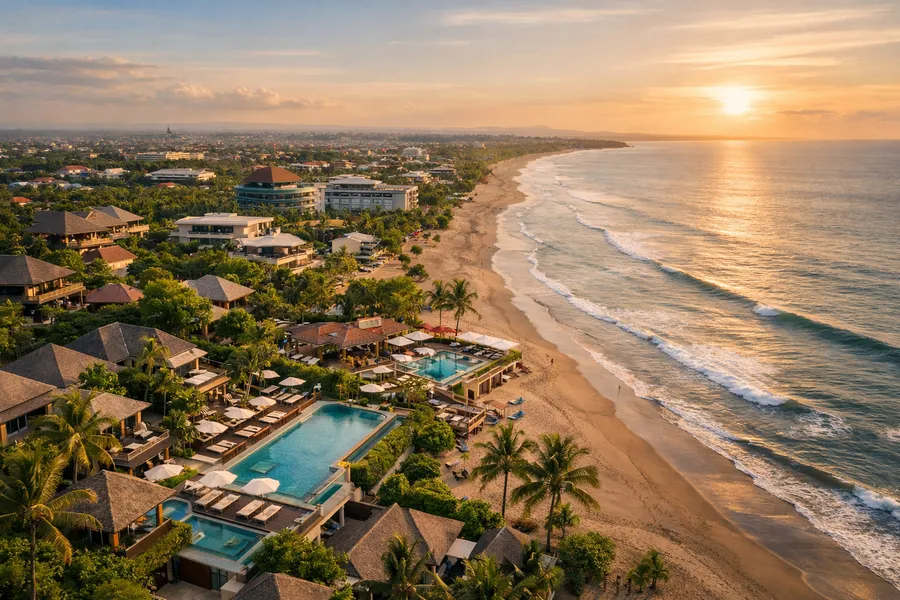

Lifestyle in Seminyak: Beaches, Dining, and Everyday Comfort
Seminyak offers a refined, urban coastal lifestyle that blends beachfront living with city-level convenience. Wide sandy beaches set the stage for sunset walks, while vibrant streets lined with internationally acclaimed restaurants, high-quality spas, and modern fitness facilities create a dynamic daily environment. The area also benefits from efficient day-to-day logistics. Strong tourist inflows (supported by Indonesia’s BPS data) and simplified entry via the e-VOA system on the Indonesian Immigration portal sustain consistent demand for local services and explain the district’s popularity among both residents and visitors (for more on the destination, see the official Indonesia tourism website).
Key takeaway: Seminyak seamlessly combines a beach lifestyle with urban convenience—walkable access to the ocean, restaurants, and services enhances quality of life and supports long-term value.
Beach Lifestyle and Atmosphere
Seminyak Beach and Double Six form a long stretch of sandy coastline with a gentle entry into the water and consistent waves. It’s a setting for sunrise jogs, beginner-friendly daytime surfing, and relaxed sunset strolls. Along the shore, beach clubs and cafés provide ideal spots for socializing and unwinding.
– Leisure format: morning surf sessions, daytime beach clubs, and sunset venues with music and dining.
– Costs: sunbed rental from local operators $5–10/day; minimum spend at popular beach clubs $30–100 per guest.
– Services: surf lessons $20–40/hour (private), board rental $5–10/hour.
Important: Seminyak’s coastline is particularly well-suited for walking and sunsets. Wave conditions become stronger during the southwest wind season (May–September), which is worth considering when traveling with children.
Residential complexes in Bali
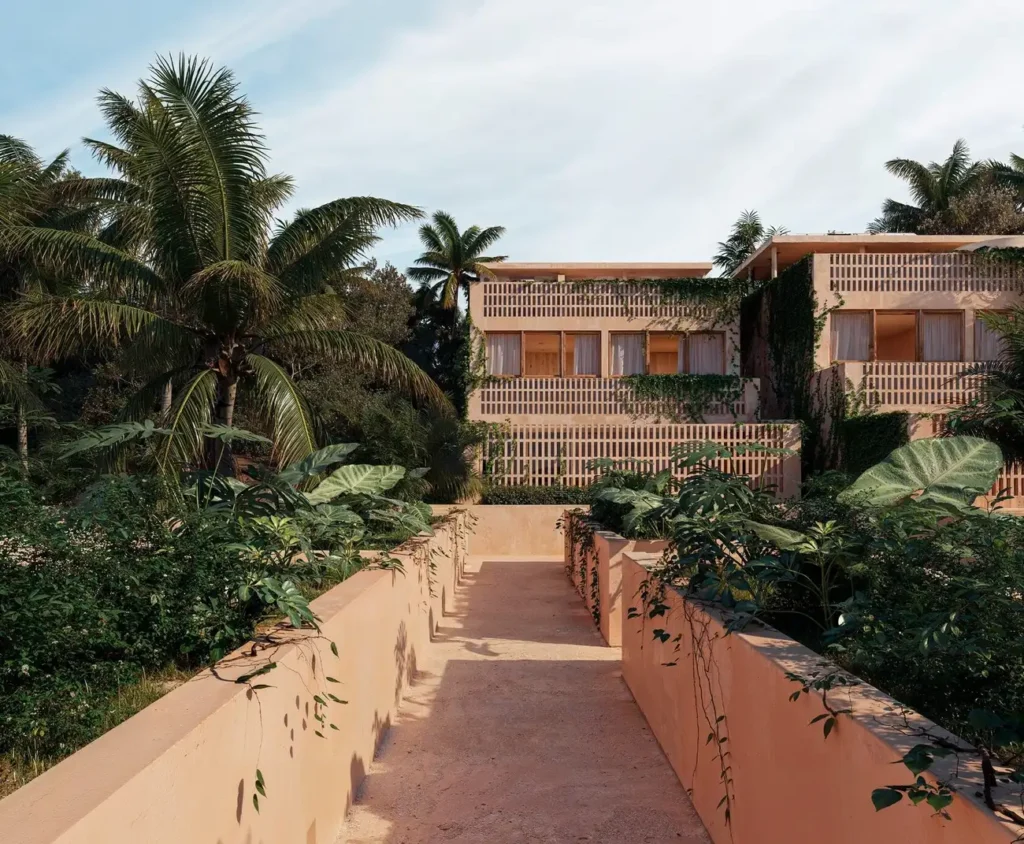

 Bali,Melasti
 from 142,7м²
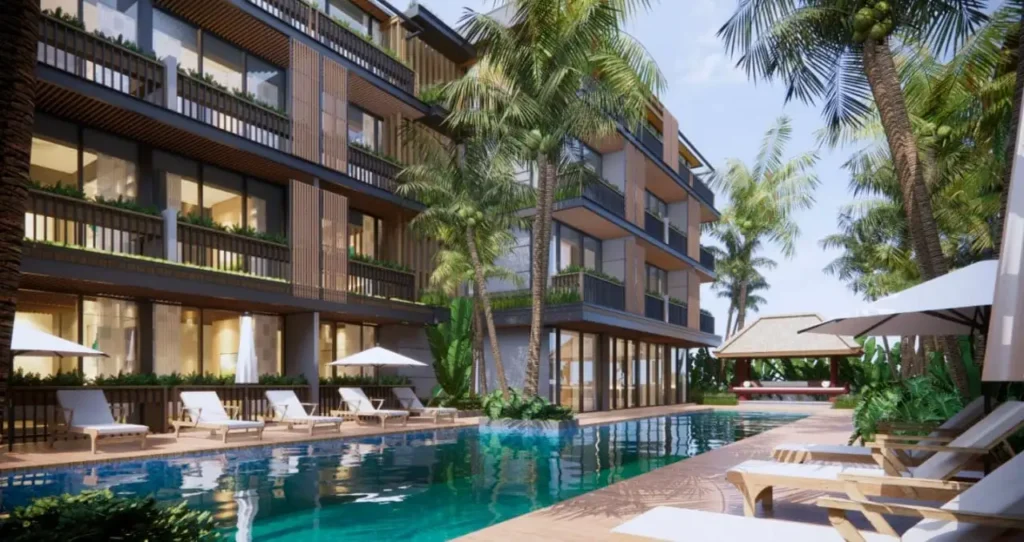 Bali,Pererenanfrom 32.3м²
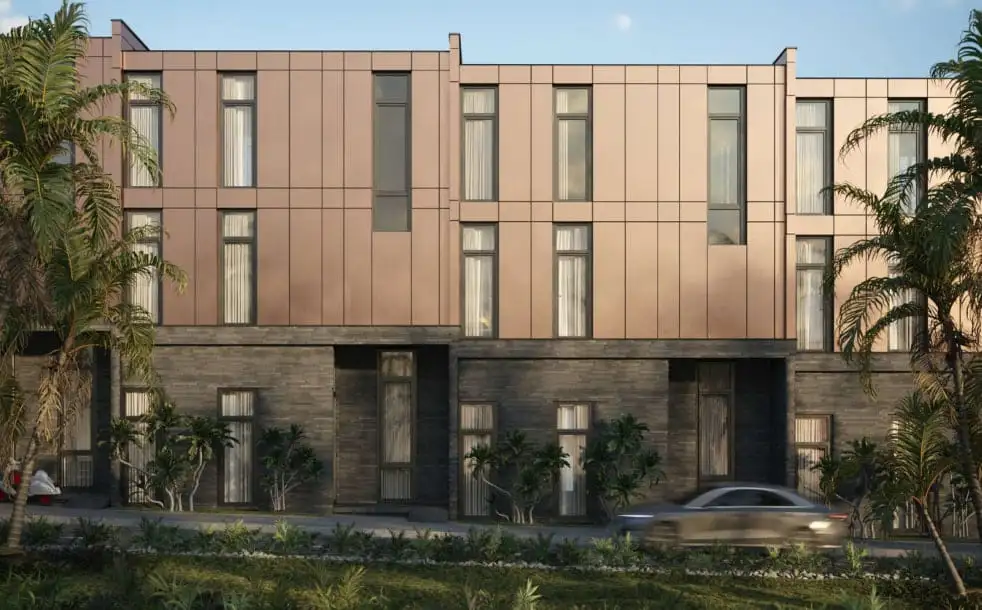 Bali,Cemagifrom 168м²
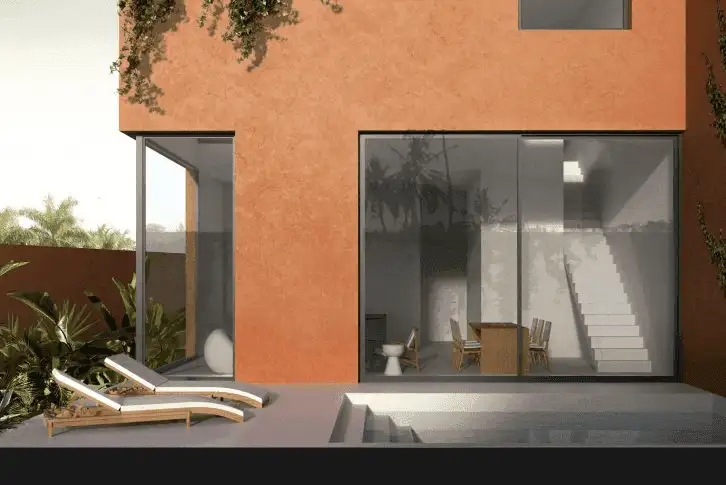 Bali,Pererenanfrom 447м²
Restaurants, Cafés, Beach Clubs, and Nightlife
Seminyak is widely regarded as the culinary hub of Bali’s west coast. Streets such as Petitenget, Oberoi (Jl. Kayu Aya), and Dhyana Pura are home to everything from fine dining establishments to relaxed brasseries and authentic local warungs.
– Average spend: breakfast $8–15 per person; mid- to upper-range dinner $15–30 per person (excluding alcohol); cocktails $8–12.
– Beach clubs: minimum spend $30–100; sunset tables typically require advance reservations.
– Coffee shops and bakeries: coffee $2–4; pastries and desserts $3–6.
For residents: the high concentration of venues within walking distance simplifies daily life—many places can be reached on foot or by scooter within 5–10 minutes.
Shopping, Fitness, Spas, and Daily Infrastructure
Seminyak provides a full spectrum of everyday services, including supermarkets, local designer boutiques, beauty salons, spas, yoga studios, and fitness centers. Private clinics and diagnostic facilities are typically located within a 10–25 minute drive.
– Fitness: gym memberships $60–120/month; single yoga session $10–18.
– Spa: 60-minute massage $18–45; full spa rituals $40–90.
– Groceries: weekly basket for 1–2 people $40–60; imported goods and wine are higher (wine from $20–40 per bottle).
– Transport: scooter $5–10/day or $70–120/month; taxi airport → Seminyak $6–12; fuel ~$0.7/liter.
– Workspaces: coworking spaces and quiet cafés; day pass $10–20.
Everyday convenience: supermarkets, pharmacies, clinics, ATMs, and service centers are typically located within a 1–3 km radius, reducing travel time and daily friction.
Cost Overview: Living and Leisure
| Category | Item | Estimated Cost (USD) | Notes |
|---|---|---|---|
| Beach | Sunbed / beach club (minimum spend) | $5–10 / $30–100 | Daytime use and sunsets; reservations recommended |
| Dining | Breakfast / mid-range dinner | $8–15 / $15–30 | Excluding alcohol |
| Fitness | Gym membership / yoga (single session) | $60–120/month / $10–18 | Mixed packages are common |
| Spa | 60-minute massage | $18–45 | Prices vary by venue level |
| Transport | Scooter / airport taxi | $70–120/month / $6–12 | Helmet and insurance are essential |
| Work | Coworking (day pass) | $10–20 | Alternative: cafés with Wi-Fi |
Note: prices vary depending on season, proximity to the beach, and venue category. Peak seasons are July–September and December–January.
Who Seminyak Is Best Suited For—and Who Might Prefer Other Areas
Seminyak is a natural choice for those who value a balance between urban infrastructure and a beach-oriented lifestyle, as well as an active social environment.
Best suited for:
– Expats and holiday-home owners who prioritize walkable access to restaurants, shopping, and services.
– Investors targeting short-term rental income, supported by the area’s strong brand recognition and occupancy rates.
– Professionals with hybrid work styles who benefit from coworking spaces, easy access to meetings, and proximity to the airport.
Possible alternatives:
– Those seeking year-round tranquility and privacy may prefer quieter, more residential areas.
– Surfers looking for consistent reef breaks may consider locations with different wave profiles.
– Families favoring a more suburban lifestyle with larger plots may look further north along the coast or into elevated inland areas.
Conclusion: if your priority is a “city by the ocean” with a sophisticated dining scene, efficient logistics, and reliable services, Seminyak delivers a consistently high standard of everyday comfort along with a clear and predictable cost structure.
Infrastructure and Transport in Seminyak
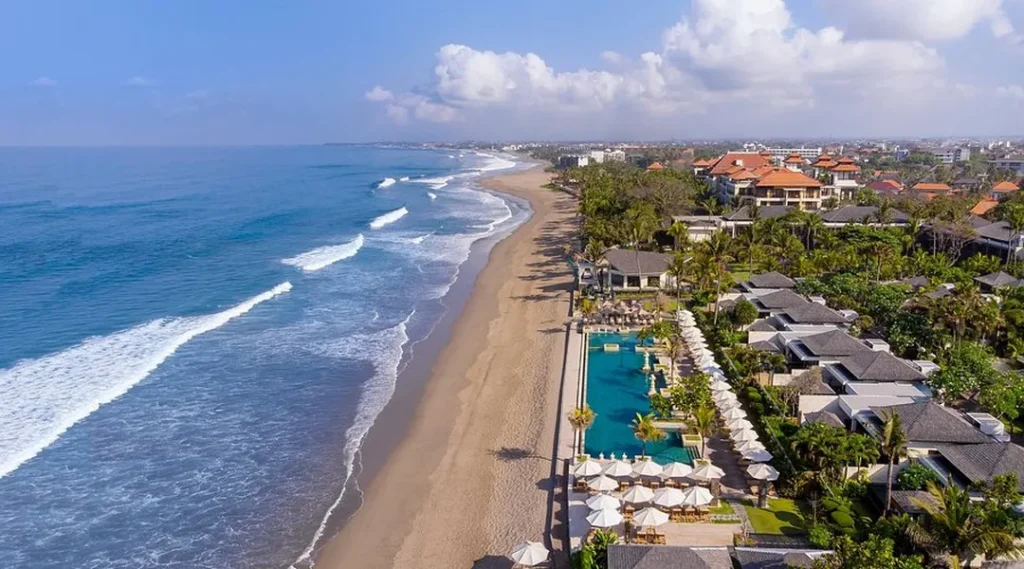
Seminyak offers a well-balanced blend of urban infrastructure set against a coastal backdrop: convenient access to the airport, a highly developed service ecosystem, and predictable day-to-day mobility. Strong tourist activity—supported by Indonesia’s BPS data—combined with simplified entry through the e-VOA system on the Indonesian Immigration portal, sustains consistent demand for transportation and local services. Traffic management and public transport policy are overseen by Bali’s provincial Department of Transportation (Dishub), whose updates and initiatives can be found on the official website.
Key insight: Seminyak functions as a “city by the ocean”—short travel distances, a high density of services within a 1–3 km radius, and access to key parts of the island within 20–60 minutes depending on traffic conditions.
Distance to the Airport and Key Areas of Bali
Seminyak is strategically connected via major transport arteries, most notably Sunset Road. For travel toward the southern peninsula, the Bali Mandara toll road (via Benoa) can significantly reduce travel times, particularly during peak seasons. Below are approximate distances and travel times.
| Route | Distance | Average Time (off-peak) | Peak / high season |
|---|---|---|---|
| Seminyak → I Gusti Ngurah Rai Airport | ~9–10 km | 25–30 min | 35–45 min |
| Seminyak → Kuta/Legian | ~3–6 km | 10–20 min | 20–30 min |
| Seminyak → Berawa/Canggu | ~6–10 km | 20–35 min | 35–55 min |
| Seminyak → Sanur | ~12–16 km | 35–45 min | 45–60 min |
| Seminyak → Uluwatu (via toll road) | ~25–35 km | 55–70 min | 70–90 min |
| Seminyak → Ubud | ~30–35 km | 60–75 min | 75–100 min |
Important: during peak travel periods (July–September and December–January), it is advisable to allow an additional 10–20 minutes buffer when heading to meetings or the airport.
Traffic, Mobility, and Ease of Getting Around
Seminyak’s road network combines main thoroughfares such as Sunset Road and Jl. Raya Seminyak with narrower, often one-way local streets like Petitenget and Oberoi. Public transport options are limited, so daily mobility typically relies on scooters, taxis or ride-hailing services, and private car hire with a driver. Updates on road policies and infrastructure projects are regularly published by Bali’s Dishub.
Scooters remain the most efficient way to navigate the area, costing $5–10 per day or $70–120 per month, with fuel priced at approximately $0.7–0.9 per liter. Ride-hailing services such as Blue Bird, Grab, and Gojek offer short trips within the area for $1.5–4, while airport transfers typically range from $6–12. Hiring a car with a driver for 8–10 hours costs around $40–70 per day, depending on the vehicle class and season. The Bali Mandara toll road charges approximately $0.8–1.5 per trip for passenger vehicles, depending on tariff and vehicle type.
Parking can be limited near beaches and popular restaurants, particularly during peak hours, making scooters or walking the most practical options in many cases.
Practical takeaway: for everyday mobility, scooters and ride-hailing services are the most efficient choices; for longer or business-related trips, hiring a car with a driver and planning travel outside peak hours is recommended.
Schools, Clinics, Supermarkets, and Essential Services
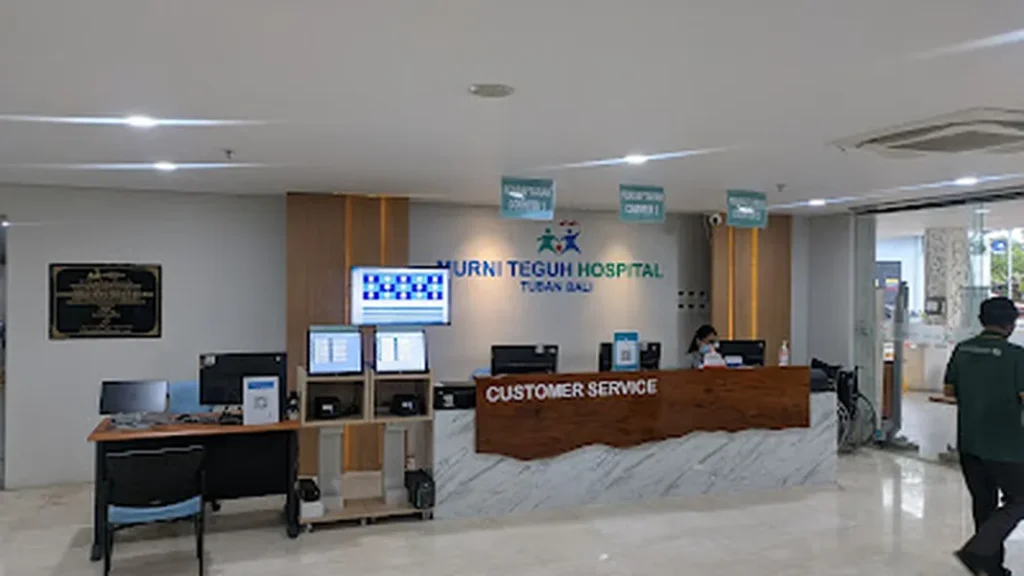
Seminyak, along with nearby Kerobokan and Denpasar, provides a full spectrum of everyday and medical services, as well as access to international schools within a 15–40 minute radius.
Private clinics and diagnostic centers are typically located within a 10–25 minute drive, with 24/7 pharmacies readily available. Basic information on visas and entry requirements can be found on the Immigration portal. Educational options include kindergartens and primary private schools within 10–25 minutes, while larger international campuses in Canggu, Kerobokan, and Denpasar are reachable within 20–40 minutes.
Supermarkets and convenience stores are widely available within walking distance, while imported goods can be found in specialized stores. Internet connectivity is reliable, with fiber-optic speeds of 50–100+ Mbps and monthly plans ranging from $25–60 depending on the provider and package. Utility costs for a 2–3 bedroom villa with air conditioning typically range from $60–150 per month for electricity, with water and service fees adding $10–40 depending on the property.
Typical weekly grocery costs for one or two people range from $40–60 for local products, increasing to $70–120 when imported items are included. Cleaning services (2–3 hours once a week) cost around $10–20. Children’s activities or clubs are priced at $8–20 per session, with monthly packages varying depending on the activity.
Living comfort: the high density of services within a 1–3 km radius allows residents to streamline daily routines—home, beach, supermarket, and dining are all easily accessible without the need for a private car. Effective time and parking management remain key.
Infrastructure Summary
Seminyak offers strong accessibility, with travel times of approximately 25–40 minutes to the airport, 20–35 minutes to Canggu, and 55–80 minutes to Uluwatu. The dominant transport model combines scooters and ride-hailing for short distances, complemented by driver-assisted car hire for longer journeys.
Essential services—including supermarkets, pharmacies, clinics, banks, and coworking spaces—are typically within a 5–15 minute radius. Monthly costs remain predictable, with scooter rentals at $70–120, internet at $25–60, and utilities averaging $60–150. During peak hours, it is important to plan additional travel time, and using the toll road toward the southern part of the island can significantly improve efficiency during high season.
Conclusion: Seminyak’s infrastructure supports a true “urban-by-the-ocean” lifestyle—compact travel distances, predictable expenses, and seamless access to key locations across the island without the necessity of owning a car. For families and expatriates, this translates into consistent daily comfort and a clear, manageable logistics framework.
Seminyak Real Estate Market Overview
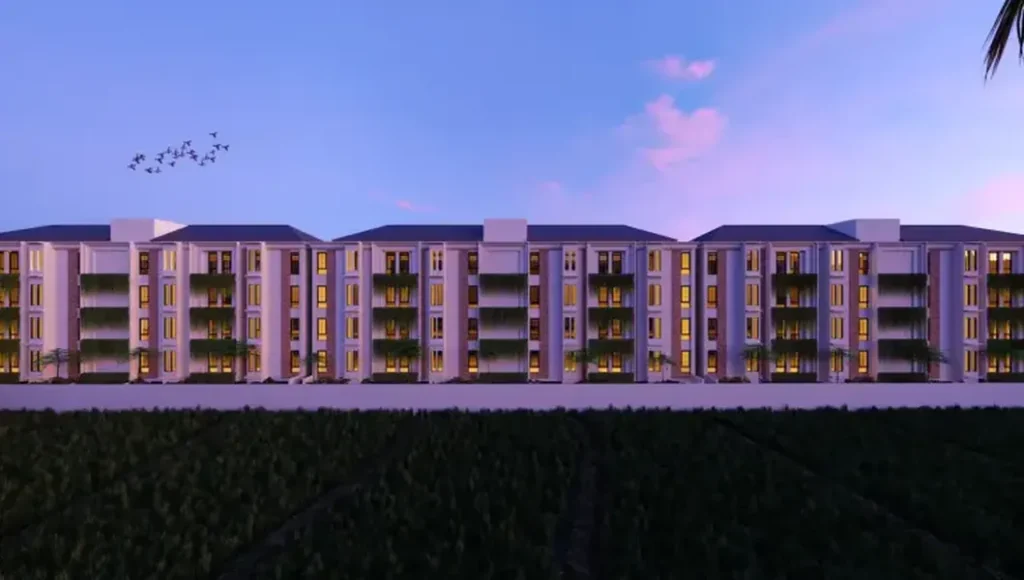
The Seminyak property market represents a mature and resilient segment of Bali’s west coast, defined by strong location recognition, limited land supply, and consistent demand for short-term rentals. Key growth drivers include a steady influx of international visitors—supported by Indonesia’s BPS data—alongside simplified entry through the e-VOA system available via the Immigration portal, and the area’s established “urban-by-the-ocean” lifestyle. The legal framework governing land ownership and property transactions is regulated by Indonesia’s Ministry of Agrarian Affairs and Spatial Planning (ATR/BPN), with an overview of land rights available on the official website.
Key insight: Seminyak is a premium destination with limited new supply and consistently high short-term rental occupancy. This combination supports long-term capital appreciation and sustained investor interest in Seminyak Bali real estate.
Types of Property Available in Seminyak
The market is structured around different use cases—lifestyle versus investment—ownership formats (primarily leasehold and, in some cases, freehold via Indonesian legal structures), and proximity to the beach. Below is an overview of key segments and their economic characteristics.
| Segment | Ownership Structure | Estimated Purchase Price (USD) | ADR (Average Daily Rate) | Buyer Profile |
|---|---|---|---|---|
| 1–2 Bedroom Villas | Leasehold (20–30 years) | $220,000–350,000 | $120–250 | Investors, digital nomads, couples |
| 3–4 Bedroom Villas | Leasehold (25–30 years); Freehold via local structures | $450,000–900,000 | $250–600+ | Families, short-term rental investors |
| Premium / Branded Villas | Leasehold / Freehold (structured) | $1.2M–3.0M+ | $600–1,200+ | High-net-worth individuals, trophy asset collectors |
| 1–2 Bedroom Apartments | Leasehold (20–30 years) | $120,000–250,000 (1BR); $220,000–400,000 (2BR) | $80–180 | Entry-level investors, lifestyle buyers |
| Boutique Hotels / Guesthouses | Leasehold / operational agreements | $700,000–2.5M | Varies by room inventory | Operators, institutional and private investors |
Important: proximity to the beach (within 1 km), walkability to restaurants, and the quality of property management are the primary factors influencing both nightly rates and occupancy levels in the short-term rental market.
Who Buys Property in Seminyak
Demand in Seminyak is well-balanced between lifestyle buyers and investors, which helps reduce market volatility and supports long-term stability.
Short-term rental investors represent a significant share of demand, typically focusing on 2–4 bedroom villas and high-liquidity apartments. Their primary objective is stable cash flow and diversification of income across currencies.
Expats and entrepreneurs tend to prioritize lifestyle-oriented properties located near business hubs and international schools, often favoring turnkey solutions with professional management in place.
High-net-worth individuals are drawn to rare beachfront properties, branded residences, and trophy assets that combine exclusivity, status, and capital appreciation potential.
First-time investors entering the Bali market often begin with apartments or compact leasehold villas, particularly those offering transparent operational models and managed rental programs.
What sets Seminyak apart: a high proportion of buyers are focused on generating rental income from the very first season, driving demand for completed or near-completion properties with clear, reliable operational frameworks.
Key Drivers of Demand
Tourism and accessibility remain fundamental. Indonesia continues to support the recovery and growth of international travel flows, as reflected in BPS data. The e-VOA system and streamlined digital entry processes via the Immigration portal further expand the pool of visitors, directly reinforcing rental demand.
Limited land availability is another critical factor. Within established beachfront districts, available plots are scarce, and new development largely occurs through redevelopment rather than expansion. This constraint supports pricing and reduces the risk of oversupply.
Seminyak’s premium lifestyle offering—walkable access to restaurants, spas, and beaches—drives strong willingness to pay and helps sustain high average daily rates (ADR).
The legal framework also plays an important role. Land rights and ownership structures are governed by ATR/BPN (official resource), providing a structured environment for foreign buyers through mechanisms such as leasehold agreements and corporate ownership structures (e.g., HGB).
Finally, the strength of the location’s brand should not be underestimated. Seminyak remains a key destination for both first-time visitors and repeat travelers, ensuring stable occupancy levels across both peak and off-peak seasons.
Market in one sentence: Seminyak property trends are defined by limited premium land supply combined with strong tourism demand—resulting in sustained capital appreciation and reliable short-term rental cash flow.
Key Investment Metrics
Average daily rental rates (ADR) typically range from $120 to $600+ per night, depending on villa size, property class, and proximity to the beach.
Occupancy peaks during high season (July–September and December–January), while off-season demand remains supported by events, dining culture, and short-stay travel patterns.
Operating costs generally include property management fees of 15–25% of gross revenue, along with expenses for cleaning, laundry, utilities, and marketing, depending on the operator’s model.
Entry price ranges vary by asset type: apartments typically range from $120,000 to $400,000; 1–2 bedroom villas from $220,000 to $350,000; 3–4 bedroom villas from $450,000 to $900,000; and premium properties from $1.2 million to $3 million and above.
Buyer takeaway: when approaching the Seminyak market, it is advisable to focus on completed or professionally managed properties with verifiable income and transparent ownership structures. This approach accelerates rental income generation while minimizing legal and operational risks.
Property Prices in Seminyak: Villas, Apartments, and Land

The Seminyak market operates at premium price levels, driven by the scarcity of land within walking distance of the ocean, consistently strong tourist demand, and a well-developed infrastructure. When evaluating properties, it is essential to consider the ownership structure (leasehold or freehold), proximity to the beach, and the quality of property management. The legal framework governing land and property rights is defined by Indonesia’s Ministry of Agrarian Affairs and Spatial Planning (ATR/BPN), with official guidance available on the ATR/BPN website. Building permits (PBG) are issued through the national SIMBG system managed by the Ministry of Public Works (PUPR). For foreign investors seeking to own land or property through a corporate structure (HGB), a PMA company is required—guidelines are available via the Indonesia Investment Coordinating Board (BKPM).
Key insight: in Seminyak, property values are primarily shaped by three factors: distance to the beach, the type and remaining term of ownership (leasehold vs freehold), and the construction and management quality of the asset.
Average Villa Prices in Seminyak
Villas remain the core product in Seminyak’s real estate market. Within the established premium coastal corridor, leasehold structures (typically 20–30 years) dominate, and most new supply comes through redevelopment of existing properties rather than new land plots.
For 1–2 bedroom villas on leasehold terms of 25–30 years, located 800–1400 meters from the beach, prices typically range from $220,000 to $350,000. When the same category is positioned within 800 meters of the beach, prices increase to approximately $300,000–450,000. Larger 3–4 bedroom villas, also on leasehold terms of 25–30 years and located 800–1500 meters from the coastline, are generally priced between $450,000 and $900,000. Premium 3–4 bedroom villas within 800 meters of the beach—particularly those with designer finishes or professional management—can reach $900,000 to $1.5 million and above. Trophy assets, including 5+ bedroom villas and branded residences, typically range from $1.5 million to $3 million or more.
From an investment perspective, short-term rental rates (ADR) provide useful benchmarks. In high season, 1–2 bedroom villas typically achieve $120–250 per night, while 3–4 bedroom villas can command $250–600+ per night.
Important: for leasehold villas, pricing is directly linked to the remaining lease term. A reduction of 5–10 years can result in a double-digit percentage drop in value. Renewal terms should always be clearly documented in the purchase agreement with a licensed notary (PPAT), within the legal framework defined by ATR/BPN.
Apartment and Condominium Prices
Apartments offer a lower entry point and a more straightforward ownership and management structure, typically including HOA arrangements and service contracts. Most developments are structured as leasehold with terms of 20–30 years and include shared amenities.
One-bedroom apartments generally range from $120,000 to $250,000, while two-bedroom units fall between $220,000 and $400,000. Premium branded developments near the beach can reach $350,000–600,000.
On a per-square-meter basis, prices typically range from $2,000 to $4,500 depending on location and project quality. Monthly maintenance and management fees average $100–300 for 1–2 bedroom units, rising to $250–600 in developments with more extensive infrastructure. Rental potential remains strong, with 1-bedroom units generating $80–180 per night and 2-bedroom units achieving $120–250 per night during peak season.
Practical takeaway: apartments provide a lower entry threshold and simplified operations, while long-term capital appreciation has historically been stronger in scarce villa assets within walking distance of the beach.
Land Prices and Development Potential
Demand for land in Seminyak consistently exceeds supply. Pricing varies depending on proximity to the beach, frontage width, zoning classification, and road access.
Freehold land (SHM) within walking distance of the beach (up to 1 km) typically ranges from $60,000 to $120,000+ per are (100 m²). On the outskirts of Seminyak or along the Kerobokan border, prices generally fall between $35,000 and $70,000 per are. Leasehold land is typically priced at $1,800–4,000 per are per year, with payment structures varying between full upfront settlement or phased installments.
From a development perspective, zoning designation (ITR) and permitted land use must be verified through ATR/BPN resources, including the official portal. Building permits and approvals are processed via the SIMBG system under the Ministry of Public Works. For foreign-backed development or ownership, a PMA structure is required, with land rights typically secured under HGB or HP schemes—guidance is available through the BKPM portal.
Risk factors for land: zoning inconsistencies, lack of legal access to a public road, and unclear boundary demarcation with neighboring plots. Legal due diligence should always be conducted through a licensed PPAT, supported by official land registry extracts from ATR/BPN.
Key Factors Influencing Property Prices
Location and distance to the beach remain the primary price drivers. Properties within 800 meters of the coastline command a premium, while the 800–1500 meter range often represents the optimal balance between price and rental yield. Beyond this radius, more budget-oriented options become available.
Ownership structure and tenure also play a critical role. Freehold properties (typically accessible through local structures or for Indonesian residents) command higher prices, while leasehold properties require careful evaluation of the remaining term and renewal conditions.
Construction quality and management standards significantly influence both rental income and long-term value. Well-designed layouts, premium materials, and reputable management operators enhance both ADR and asset appreciation.
Street profile and accessibility are also important considerations. Road width, parking availability, noise levels, and proximity to restaurants or nightlife can materially impact valuation.
Property condition and age further affect pricing. Newly built or recently renovated properties with modern infrastructure—such as solar energy systems, fiber-optic internet, and proper drainage—typically command a premium.
Finally, legal clarity and documentation are essential. A transparent ownership chain, correct zoning classification, and valid permits (PBG/SIMBG) directly influence transaction pricing and long-term liquidity.
Buyer takeaway: a budget of $220,000–450,000 typically covers 1–2 bedroom leasehold villas within a mid-range distance from the beach; $450,000–900,000 secures liquid 3–4 bedroom properties; and from $1.5 million upward, buyers enter the premium segment of trophy villas near the ocean. Land prices range from approximately $35,000 to $120,000 per are, depending on location and ownership structure.
Price Benchmarks at a Glance
| Asset Type | Parameters | Price Range (USD) | Notes |
|---|---|---|---|
| 1–2 BR Villa | Leasehold 25–30 years, 800–1400 m from beach | $220,000–350,000 | ADR $120–250/night |
| 3–4 BR Villa | Leasehold 25–30 years, 800–1500 m | $450,000–900,000 | ADR $250–600+/night |
| Premium / Branded Villa | Prime coastal radius | $900,000–3,000,000+ | Limited supply |
| 1 BR Apartment | Leasehold 20–30 years | $120,000–250,000 | $2,000–4,500/m²; HOA $100–300/month |
| 2 BR Apartment | Leasehold 20–30 years | $220,000–400,000 | Club-style infrastructure |
| Freehold Land (per are) | Within 1 km of beach | $60,000–120,000+ | Zoning verification required (ATR/BPN) |
| Leasehold Land (per are/year) | Annual lease rate | $1,800–4,000 | Payment upfront or in installments |
Note: the figures above represent indicative ranges based on both open-market listings and completed transactions. Final pricing depends on legal due diligence, negotiation, and payment structure. For foreign-involved projects, it is essential to plan in advance for the PMA structure (BKPM) and the required permitting process (SIMBG/PBG).
Investment Potential in Seminyak: Rental Yields and Income
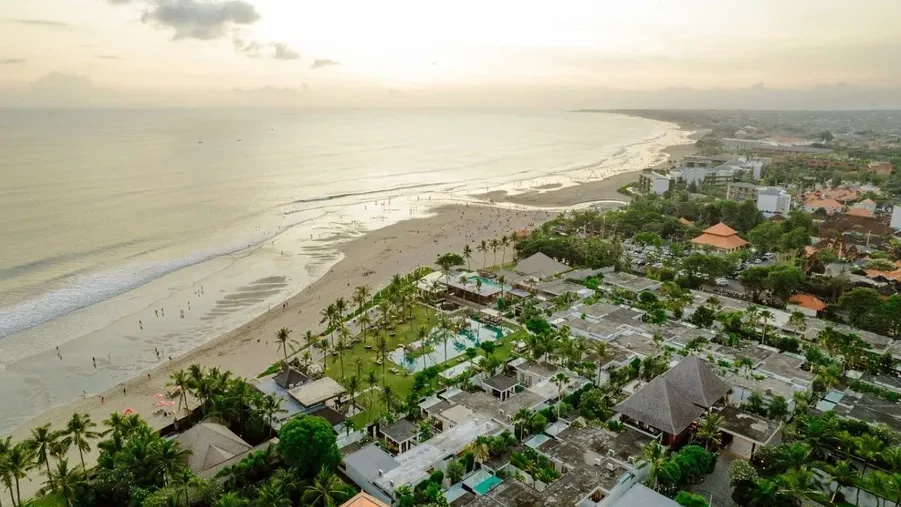
Seminyak is widely regarded as one of the most predictable locations in Bali for short-term rental returns. A steady influx of international visitors—confirmed by Indonesia’s BPS data—combined with simplified entry for foreigners via the e-VOA system on the Immigration portal, ensures consistent demand. The broader investment framework and rules governing foreign capital—including PMA structures, licensing, and reporting requirements—are outlined on the Indonesia Investment Coordinating Board (BKPM) portal, which is essential for operating legally and protecting capital.
Key insight: demand for short-term rentals in Seminyak is driven by the strength of its location “brand,” walkable access to beaches and dining, and convenient airport connectivity. In practice, this translates into stable occupancy and clearly defined income scenarios.
Why Seminyak Remains a Strong Investment Location
Seminyak benefits from a consistently strong tourism flow. Bali remains Indonesia’s flagship destination for international arrivals, with recovery trends clearly reflected in BPS data. At the same time, simplified entry through the electronic visa-on-arrival (e-VOA), available via the Immigration portal, lowers barriers for short-term travel and expands the potential guest base.
The area’s lifestyle offering is another key driver. Beaches, restaurants, spas, and shopping are all concentrated within a 1–3 km radius, increasing guests’ willingness to pay a premium for location. This is further reinforced by the limited availability of land within the established coastal cluster—new supply is largely driven by redevelopment rather than expansion.
Operationally, the market is supported by a competitive ecosystem of professional property management companies, offering transparent commission structures and well-defined service models.
Conclusion: the combination of strong demand, efficient logistics, and limited supply underpins Seminyak real estate investment—supporting both short-term cash flow and long-term capital appreciation.
Short-Term Rentals and Tourist Demand
Seminyak attracts a “city by the ocean” audience, including couples, small families, and groups of friends. The dominant accommodation formats are 1–4 bedroom villas and 1–2 bedroom apartments located within walking distance of beaches and key dining areas.
Seasonality plays a significant role. High season runs from July to September and December to January, while shoulder seasons fall between April–June and October–November. The low season typically occurs in February and March.
Average daily rates (ADR) provide a useful benchmark: 1–2 bedroom properties generally achieve $120–250 per night, while 3–4 bedroom villas can reach $250–600+ per night, depending on asset quality, proximity to the beach, and management brand.
Distribution channels include major OTAs such as Airbnb and Booking, direct bookings, and local agencies. Combined commissions for distribution and management typically range from 18% to 25% of gross revenue. Operating costs include cleaning and laundry ($250–600 per month depending on turnover), garden and pool maintenance ($80–200 per month), and utilities ($150–450 per month for 1–2 bedroom properties, with higher costs for larger villas).
Important: three factors have the strongest impact on pricing and occupancy—distance to the beach (ideally within 800–1000 meters), quality of visual presentation (photos and branding), and guest reviews.
Rental Yields (ROI) and Payback: Benchmarks and Scenarios
Below are simplified models for two of the most востребованные asset types. The calculations are based on standard assumptions: a 20% all-in management fee, variable expenses incorporated into margin assumptions, and fixed costs calculated separately.
| Asset | Scenario | Average ADR | Occupancy | Gross Annual Revenue | OPEX & Management | Net Annual Income | Estimated Price | Net ROI |
|---|---|---|---|---|---|---|---|---|
| 2-Bedroom Villa | Conservative | $130 | 62% | $29,500 | ~$16,500 | $13,000 | $300,000 | ~4.3% |
| 2-Bedroom Villa | Base Case | $160 | 72% | $42,000 | ~$21,400 | $20,600 | $300,000 | ~6.9% |
| 2-Bedroom Villa | Optimistic | $180 | 78% | $51,400 | ~$25,500 | $25,900 | $300,000 | ~8.6% |
| 3–4 Bedroom Villa | Conservative | $260 | 64% | $60,800 | ~$28,400 | $32,400 | $650,000 | ~5.0% |
| 3–4 Bedroom Villa | Base Case | $300 | 72% | $78,800 | ~$33,300 | $45,500 | $650,000 | ~7.0% |
| 3–4 Bedroom Villa | Optimistic | $340 | 78% | $96,900 | ~$39,300 | $57,600 | $650,000 | ~8.9% |
These figures include management fees of approximately 20% of revenue (covering marketing, distribution channels, and guest services), along with operating costs such as cleaning, utilities, maintenance, and pool/garden care. Larger villas require higher fixed cost allocations.
All figures are presented on a net, pre-tax basis. Tax obligations depend on ownership structure (individual vs PMA company), licensing type, VAT, and local levies. Investors should refer to BKPM guidelines and consult a qualified accountant.
Market benchmark: for high-quality properties within walking distance of the beach, a net annual return of 6–9% is achievable with proper pricing strategy and professional management.
Long-Term Rentals: An Alternative Strategy
Some owners adopt a hybrid strategy, combining short-term and monthly rentals to smooth out seasonal fluctuations.
Monthly rental rates typically range from $1,500–2,800 for 1–2 bedroom properties (6–12 month leases), and $3,000–6,000 for 3–4 bedroom villas, depending on quality and location.
A common approach is to operate short-term rentals during high season and switch to monthly rentals during quieter periods, often offering packages either inclusive or exclusive of utilities. This creates more predictable cash flow across the year.
Practical insight: a hybrid rental model helps reduce vacancy periods and mitigates volatility in OTA pricing, particularly during off-peak months.
Risks, Compliance, and Mitigation Strategies
Licensing and zoning compliance are critical. Legal short-term rental operations require proper permits and alignment with zoning regulations. For foreign investors, a PMA structure with the appropriate business classification is essential (see BKPM).
Legal due diligence is equally important—this includes verifying land titles, easements, and building and operational permits. Operational risks, such as noise restrictions, parking limitations, and neighbor complaints, are particularly relevant for villas located on narrow streets and should be addressed through clear house rules and property management policies.
Dependence on distribution channels is another factor. Reduced visibility on OTAs can directly impact occupancy rates, so maintaining direct booking channels, CRM systems, and loyalty programs is advisable.
From a financial perspective, investors should budget for annual capital expenditures of 1.5–2.5% (for furniture, appliances, and cosmetic upgrades), as well as maintain a reserve covering 2–3 months of operating expenses.
Important: the legal and tax structuring of a project—such as PMA setup, licensing profile, and accounting—directly affects asset value upon resale. Always rely on official regulations and work with licensed advisors.
Who Should Invest in Seminyak
Seminyak is well-suited for income-focused investors targeting 6–9% net returns in foreign currency and willing to invest in branding and operations. It also appeals to lifestyle buyers who spend 1–3 months per year in Bali while renting out the property during the remaining time.
Developers focused on redevelopment can unlock additional value through renovation and professional management. Investors seeking portfolio diversification with a 5–7 year horizon may find Seminyak particularly attractive under a “buy–hold–enhance” strategy.
Investor takeaway: Seminyak is a mature market with clearly defined demand drivers, where professional management and precise product–market fit translate into stable cash flow and asset appreciation. Ensure that your ownership structure and licensing comply with BKPM requirements, and that your assumptions on ADR and occupancy are supported by comparable property performance, seasonality data from BPS, and the continued ease of entry via the e-VOA system.
Who Should Consider Buying Property in Seminyak
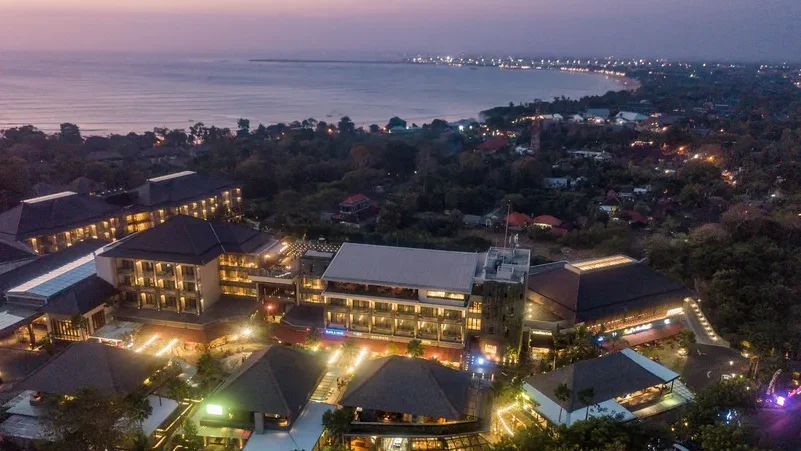
Seminyak appeals to buyers who value urban comfort by the ocean, predictable rental demand, and strong liquidity. The market is equally suited for lifestyle living and income-generating investments with clearly defined operational models. The strength of its tourism-driven demand is reflected in Indonesia’s inbound travel data published by BPS Indonesia.
Key insight: for high-quality properties within walking distance of the beach, net returns of 6–9% annually are achievable with professional management. For lifestyle buyers, Seminyak offers a true “city by the ocean” experience, with essential services located within a 1–3 km radius.
For Living (Lifestyle): Expats, Entrepreneurs, and Families
This buyer profile prioritizes walkable access to the beach and restaurants, proximity to schools and clinics within 15–30 minutes, and convenient transfers to the airport. Seminyak is particularly well-suited for those living in Bali year-round or spending six to nine months annually on the island.
Recommended property formats include 1–2 bedroom apartments on leasehold terms of 20–30 years, typically priced between $120,000 and $400,000, with monthly HOA fees ranging from $100–300 and internet costs of $25–60 per month. Villas with 2–3 bedrooms on 25–30 year leasehold terms generally range from $300,000 to $650,000, with operational expenses (garden, pool, cleaning) averaging $200–400 per month.
The most desirable locations are within a 1 km radius of the beach—areas such as Petitenget, Oberoi (Jl. Kayu Aya), and Dhyana Pura—where everyday convenience is maximized.
Key advantages include minimal reliance on a car, a high level of service infrastructure, and a secure living environment. However, buyers should carefully assess road access and width, evening noise levels from nearby venues, and parking availability.
Important: families with children are advised to choose quieter side streets with easy access to Sunset Road and to evaluate noise levels in the evening before making a purchase decision.
For Investment and Rental Income: Yield-Focused Strategies
This profile is centered on investors seeking foreign currency cash flow, willing to delegate management, and focused on verifiable metrics such as occupancy rates and ADR.
Typical entry points include 1–2 bedroom villas priced between $220,000 and $350,000 (ADR $120–250 per night), 3–4 bedroom villas ranging from $450,000 to $900,000 (ADR $250–600+ per night), and 1–2 bedroom apartments priced between $120,000 and $400,000 (ADR $80–180 per night for 1BR and $120–250 for 2BR).
Operating costs—including management and distribution channels—generally account for 18–25% of gross revenue, while utilities and other expenses vary depending on property size and occupancy levels.
From a legal perspective, foreign investors typically acquire assets through a PMA company structure with land rights such as HGB or HP. Detailed guidance is available via the BKPM portal, while land rights and regulatory frameworks are outlined by ATR/BPN.
Sustained demand is supported by national inbound tourism data, ensuring year-round viability for short-term rental strategies.
Investor takeaway: Seminyak is a compelling choice if your target is 6–9% net returns over a 5–7 year horizon and you are prepared to invest in product–market fit—proximity to the beach, design quality, professional management, and strong guest reviews.
For a Second Home (Holiday Home): A Hybrid of Lifestyle and Income
This segment includes buyers who spend one to three months per year in Bali while renting out their property for the remainder of the time.
Recommended options include 2–3 bedroom villas on leasehold terms priced between $300,000 and $700,000, offering comfortable living space, private pools, and turnkey management. Alternatively, 1–2 bedroom apartments priced between $180,000 and $400,000 provide ease of operation and access to shared amenities.
In this model, off-season rental income often offsets operating costs and can partially cover travel and living expenses for the owner. A key practical consideration is to define “owner weeks” in the management agreement to ensure availability during peak periods such as July–September and December–January.
Important: clarify the operator’s policies regarding date blocking, seasonal contract splits, and marketing channels, as these directly impact occupancy and overall performance.
Budget Scenarios
For budgets up to $200,000, one-bedroom apartments on 20–30 year leasehold terms are the primary option, offering ADR of $80–150 per night and net returns of approximately 4.5–6.5% with effective management.
Around $400,000 (±10%), buyers can acquire a 2–3 bedroom villa located 800–1400 meters from the beach, with ADR ranging from $150–350 per night and net returns of 6–8%.
For budgets starting from $800,000, 3–4 bedroom villas closer to the ocean become available, with ADR of $300–600+ per night and net returns of 6.5–9%. These assets often offer stronger capital appreciation due to their relative scarcity.
Buyer Profile and Product Fit Matrix
| Buyer Profile | Budget (USD) | Optimal Asset | Expected Economics | Key Factors |
|---|---|---|---|---|
| Expat / Family | $300,000–650,000 | 2–3 BR villa (leasehold) | Focus on lifestyle; partial rental covers OPEX | Quiet street, school/clinic within 15–30 min, parking |
| Income Investor | $250,000–900,000 | 2–4 BR villas; 1–2 BR apartments | Net 6–9% annually | Proximity to beach, operator quality, reviews, ADR/seasonality |
| Holiday Home | $180,000–700,000 | 1–2 BR apartments; 2–3 BR villas | Hybrid: personal use + rental income | Owner usage policy, peak season calendar |
| HNW / Premium | $1.5M–3.0M+ | Trophy / branded villas | Income + prestige-driven appreciation | Asset rarity, beachfront or views, privacy |
| Developer / Redeveloper | $500,000–2.0M | Land / renovation projects | Value-add through design and management | Zoning, access roads, permits (PBG/SIMBG), demand |
Legal Considerations for Foreign Buyers
Land rights and regulatory frameworks are governed by ATR/BPN. For non-residents, leasehold structures are the most common form of property ownership, while land ownership is typically structured through a PMA company using HGB or HP rights.
Company formation, licensing, and the broader regulatory environment are managed through the BKPM portal. Rental demand and seasonality should be validated using macro data from BPS alongside performance benchmarks from comparable properties.
Important: legal clarity—including ownership structure, zoning compliance, and valid permits (PBG/operational approvals)—is as critical to future resale value as proximity to the beach.
Who Seminyak May Not Be Suitable For
Seminyak may not be ideal for buyers seeking complete tranquility year-round, as traffic and evening activity increase during peak seasons. It is also less suited for investors targeting double-digit returns without operational involvement, as the market is mature and realistic expectations fall within the 6–9% net range.
Buyers looking for large land plots or resort-style properties with extensive private space may find more suitable opportunities in less densely developed coastal areas.
Conclusion: Seminyak is best suited for buyers who prioritize liquidity, urban comfort by the ocean, and predictable rental demand. For foreign investors, it offers optimal conditions when structured within the regulatory frameworks of ATR/BPN and BKPM. To define the right strategy, align your budget, proximity to the beach, and management model with your intended use and return objectives.
Pros and Cons of Buying Property in Seminyak
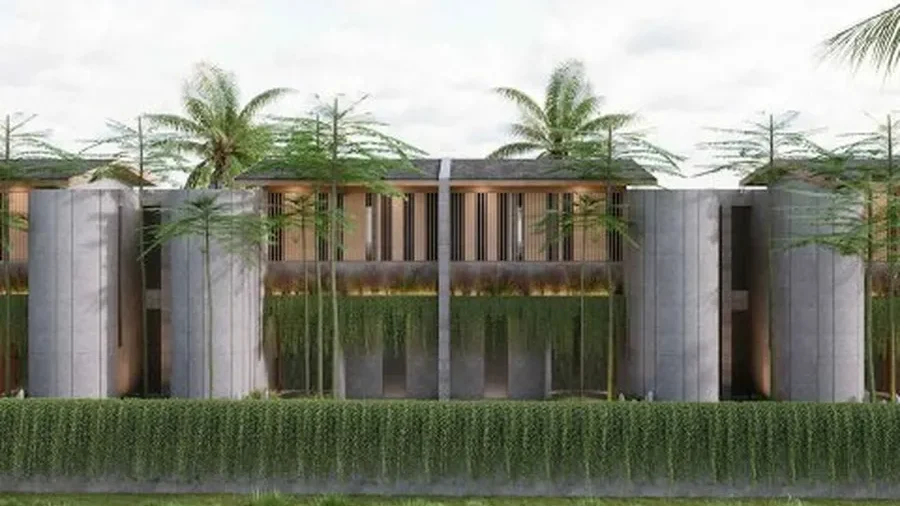
Purchasing property in Seminyak means entering a mature, premium market with strong brand recognition and consistently high rental demand. However, as with any popular coastal destination, this comes with a pricing premium and specific operational considerations. Below is a balanced assessment from both an owner’s and an investor’s perspective.
Key insight: Seminyak offers liquidity, strong short-term rental demand, and an “urban by the ocean” lifestyle, but requires readiness for premium entry prices, competition for guests, and careful legal structuring in accordance with ATR/BPN and BKPM regulations.
Advantages
| Advantage | What It Provides | Practical Impact |
|---|---|---|
| Strong year-round rental demand | Consistent inbound tourism supported by BPS Indonesia data | Higher ADR and occupancy; achievable net returns of 6–9% annually |
| Urban lifestyle by the ocean | Beaches, restaurants, spas, and shopping within a 1–3 km radius | High appeal for expats and holidaymakers; easy day-to-day living without a car |
| Limited beachfront land supply | Growth driven mainly by redevelopment rather than large-scale new construction | Supports long-term capital appreciation |
| Established property management ecosystem | Competitive market of professional operators | Turnkey management solutions and predictable operations |
| Liquidity | Well-known location with consistent buyer demand | Shorter time-to-sale for comparable quality properties |
Important: proximity to the beach, construction quality, and the reputation of the management operator are the three key factors directly influencing rental rates and resale liquidity.
Disadvantages and Risks
| Risk / Drawback | How It Manifests | Mitigation Strategies |
|---|---|---|
| Premium entry pricing | 2–3 BR villas typically start from $300,000–700,000; 1–2 BR apartments from $120,000–400,000 | Build a 5–7 year financial model; focus on beach proximity and strong operators |
| Competition in short-term rentals | In peak seasons, increased pressure on ADR and marketing costs | Professional content, dynamic pricing strategies, CRM systems, repeat bookings |
| Traffic and noise | Evening activity along main streets | Choose quieter side streets; assess noise levels before purchase |
| Aging property stock and capex needs | Renovations often required for properties older than 5–10 years | Set aside 1.5–2.5% annually; conduct technical audits prior to purchase |
| Legal complexity for foreign buyers | Requires proper ownership structures (PMA/HGB/HP) and reliable leasehold agreements | Follow BKPM and ATR/BPN regulations; work with licensed PPAT notaries |
Note: seasonality—peaks in July–September and December–January—affects cash flow. This can be balanced by incorporating monthly rentals during shoulder periods.
Hidden and Ongoing Ownership Costs (Estimates)
Management and distribution channels typically account for 18–25% of gross revenue, including OTA commissions and marketing. Utilities for a 2–3 bedroom villa range from $200–450 per month, with garden and pool maintenance costing $80–200 per month and cleaning/laundry expenses between $250–600 per month.
Insurance costs generally range from $500 to $1,200 per year, depending on the property’s insured value. Ongoing maintenance and capital expenditure reserves should be budgeted at 1.5–2.5% of the asset’s value annually.
Renovation costs vary depending on scope: cosmetic upgrades typically range from $150–300 per m², while full-scale upgrades can reach $500–1,000 per m². Legal support and notary services (PPAT) usually cost $1,500–3,000 per transaction, depending on complexity.
Tax obligations and mandatory payments depend on the ownership structure (individual vs PMA company and licensing profile). Investors should refer to official guidance from BKPM.
Important: for leasehold properties, transaction price is closely tied to the remaining lease term. Renewal conditions should be formally documented with a PPAT notary under the legal framework of ATR/BPN.
Financial Snapshot: Cost of Ownership for a 2-Bedroom Villa (Example)
A typical entry price of $300,000 (leasehold 25–30 years, located 800–1200 meters from the beach) can generate approximately $42,000 in annual revenue under a base scenario (ADR $160, occupancy 72%).
Operating expenses and management costs amount to around $21,400 per year, resulting in a net pre-tax income of approximately $20,600—equivalent to a net yield of about 6.9%.
Capital expenditure reserves of $4,500–7,500 per year (1.5–2.5%) reduce distributable cash flow but enhance long-term asset liquidity and resale value.
Overall Assessment
Seminyak is an optimal choice for buyers who prioritize liquidity, predictable rental income, and an urban coastal lifestyle. Entry budgets typically start from $220,000–350,000 for 1–2 bedroom villas and $450,000–900,000 for 3–4 bedroom properties.
Alternative locations may be more suitable for buyers seeking large land plots with greater privacy, ultra-high yields without operational involvement, or complete tranquility year-round.
Conclusion: with proper legal structuring in line with ATR/BPN and BKPM requirements, and supported by verifiable tourism demand, investing in Seminyak offers predictable returns and value preservation driven by the location’s scarcity. The key is thorough due diligence—reviewing legal documentation, assessing proximity to the beach, and selecting the right management model.
Conclusion
Seminyak represents a rare combination of urban comfort by the ocean, устойчивого туристического спроса, and a mature rental market. For lifestyle buyers, the area offers short, convenient distances to the beach and top dining destinations. For investors, it provides a predictable short-term rental model, with net returns typically in the 6–9% annual range when supported by professional management and a properly structured legal framework. This is underpinned by Indonesia’s strong tourism flow, as reported by BPS, which directly sustains both occupancy rates and rental pricing.
Bottom line: if you prioritize liquidity, an “urban by the ocean” lifestyle, and income in foreign currency, purchasing property in Seminyak is a rational choice with a 5–7 year investment horizon—provided the legal structure is sound and the product–market fit is precise (proximity to the beach, design quality, and professional management).
Submit a Request — We’ll Find the Right Property in Seminyak
We provide full-cycle support—from the initial consultation to rental operations:
- A 15–20 minute briefing to define your goals, budget, ownership timeline, and preferred format (lifestyle or investment).
- A curated подборка within 24–48 hours, including market benchmarks and detailed ADR/occupancy projections.
- Legal screening covering ownership rights, zoning, access, and building/operational permits (in line with ATR/BPN regulations).
Submit your request today—share your name, budget, objective (living, rental, or holiday home), and preferred timeline. We will respond within 24 hours with a tailored shortlist and a clear action plan.
 Real estate in Georgia
 Real estate in Cyprus
 Real estate in the UAE
 Real estate in Montenegro
 Real estate in Thailand
 Real estate in Spain
 Real estate in Saudi Arabia
 Real estate in Turkey
 Real estate in Zanzibar
 +62 895 001 924 667
 hello@ulu-homes.id
 Tibubeneng, Canggu, Kuta Utara, Badung Regency, Bali 80361, Indonesia


 Get catalogue of TOP-7 objects